Introduction to Mount Fuji
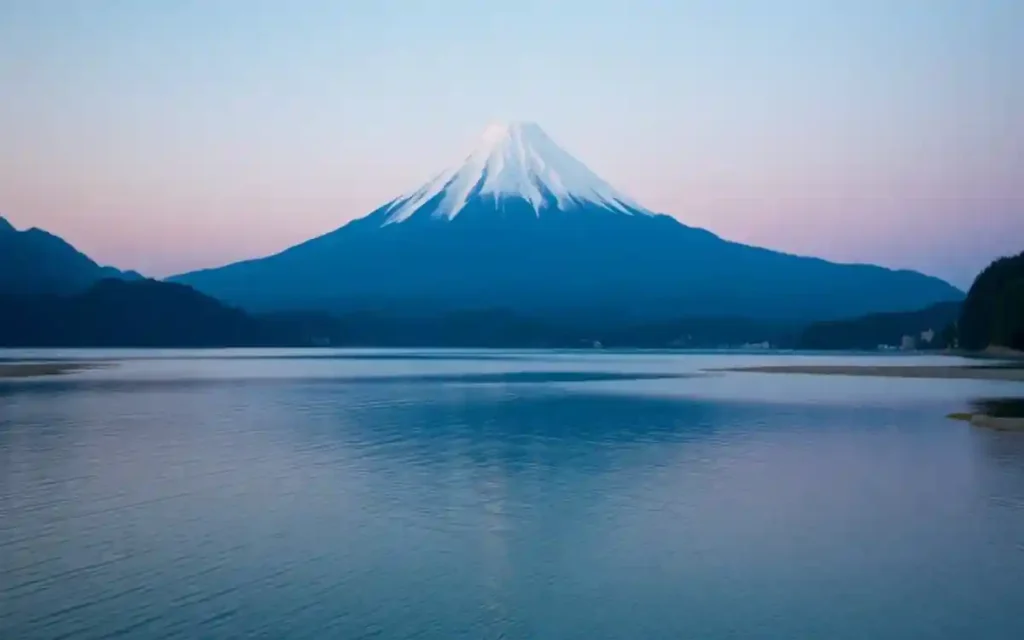
Every traveler dreams of experiencing the stunning Mount Fuji, Japan’s ultimate symbol of natural beauty. This guide equips you with all you need for a memorable visit to this iconic stratovolcano.
Mount Fuji’s Geography and Artistic Significance
Mount Fuji, standing at 3,776 meters, is located about 100 kilometers southwest of Tokyo. It’s celebrated in Japanese art and offers varied experiences throughout the year. Though the ideal climbing season spans July to September, the mountain’s charm is accessible year-round through different vantage points.
Hiking the Majestic Mount Fuji
The preferred way to experience Mount Fuji is by hiking to its peak. Trails like the Yoshida Trail cater to various skill levels, taking approximately 5-7 hours to ascend and 3-5 hours to descend. Remember to wear suitable hiking gear and bring snacks and water. Aim to start early or late in the day to witness the famed “Goraiko” sunrise.
Enjoying Mount Fuji Without the Climb
For those less inclined to hike, the Fuji Five Lakes area provides spectacular views from the mountain’s base. Each lake, especially Kawaguchi and Yamanaka, offers unique views and photo opportunities. Also, the Fujisan World Heritage Center near the mountain’s Fifth Station presents interactive exhibits on the cultural significance of Mount Fuji.
Relaxing and Dining in the Mount Fuji Region
Conclude your day by relaxing in the onsen (hot springs) in Hakone or Fujiyoshida. These springs, coupled with local cuisine like Hōnen Matsuri and mountain vegetables, highlight the region’s culinary delights.
Conclusion: The Lasting Allure of Mount Fuji
In conclusion, Mount Fuji promises a blend of adventure, cultural immersion, and natural beauty. Whether you’re scaling its heights or enjoying the landscape from below, it’s an encounter that will imprint lasting memories. Ready your gear, plan your visit, and embark on an extraordinary journey to the heart of Japan.