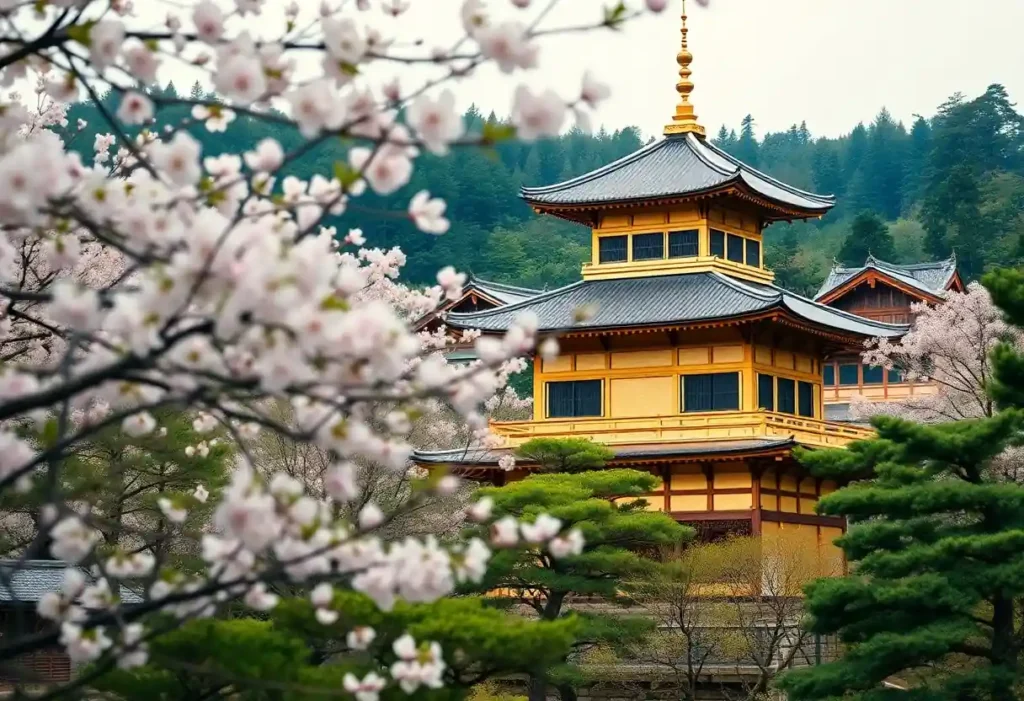
Things to do in Kyoto. Just imagine strolling through historic streets, serene temples, and vibrant gardens in Kyoto. This city is a treasure trove of culture and beauty. You can explore ancient traditions, savor delicious cuisine, and find stunning landscapes. In this guide, we’ll highlight the must-see attractions and exciting activities to enrich your journey in Kyoto. Get ready to immerse yourself in this enchanting destination!
Key Takeaways:
- Famous Temples: Visit Kinkaku-ji, the Golden Pavilion, for stunning architecture and gardens.
- Cultural Experiences: Participate in a traditional tea ceremony for a taste of Japanese culture.
- Nijo Castle: Explore this UNESCO World Heritage Site known for its beautiful gardens and historical significance.
- Fushimi Inari Taisha: Hike the trails lined with thousands of vermilion torii gates for an unforgettable experience.
- Gion District: Stroll through Gion to see traditional wooden machiya houses and geisha culture.
- Kinkaku-ji Gardens: Enjoy a peaceful walk in the landscaped gardens surrounding the Golden Pavilion.
- Kyoto Cuisine: Try local specialties like kaiseki, yudofu, and matcha desserts while visiting.
Overview of Kyoto
As you begin to explore Kyoto, you’ll find a city rich in history, culture, and stunning landscapes. Known as Japan’s ancient capital, Kyoto boasts traditional wooden houses and beautiful temples. Its enchanting atmosphere draws visitors from around the world, offering you an unforgettable experience. Don’t miss the chance to wander through its historic streets and soak up the unique ambiance of this UNESCO World Heritage site.
Historical Significance
The history of Kyoto dates back over 1,000 years. It served as Japan’s capital from 794 to 1868. This long history has left a profound impact on its architecture, traditions, and cultural practices. As you walk through the city, you’ll encounter ancient shrines and palaces that tell the story of its rich past.
Cultural Importance
Some of the most significant cultural traditions in Japan are rooted in Kyoto. This city is known for its tea ceremonies, kimono-clad geishas, and seasonal festivals. Visiting Kyoto allows you to witness these practices firsthand, deepening your appreciation for Japanese culture.
As you enjoy your time in Kyoto, you’ll witness various arts, crafts, and performances that are part of the city’s charm. Traditional eel and tofu dishes, kaiseki dining, and the art of flower arranging are just a few highlights. Engaging with local artisans and observing their skills can deepen your cultural understanding and connect you more with the city.
Geographic Features
For a city that combines history and modernity, Kyoto’s geographic features beautifully complement this setting. Nestled between mountains, it offers serene landscapes and ample opportunities for outdoor activities. The Kamo River flows through the city, adding to its charm and providing a picturesque backdrop.
Significance of Kyoto’s geography cannot be overstated. The surrounding mountains offer hiking trails with breathtaking views. The riverbanks are excellent spots for leisurely walks. This natural beauty enhances Kyoto’s tranquil atmosphere, providing you with peaceful retreats from the urban pace while still being close to its vibrant cultural scene.
Top Must-Visit Temples and Shrines
If you are traveling to Kyoto, you cannot miss its remarkable temples and shrines. Each location offers a unique glimpse into Japan’s history and culture. You will find stunning architecture, serene gardens, and spiritual ambiance. Whether you’re seeking inner peace or stunning views, Kyoto’s sacred sites cater to every interest.
Fushimi Inari Taisha
On your visit to Fushimi Inari Taisha, you will be captivated by thousands of vermillion torii gates. These gates form picturesque trails up the sacred Inari Mountain. The shrine is dedicated to Inari, the Shinto god of rice, and has been a popular site for centuries. You can explore the grounds at your own pace and enjoy the rich symbolism of the gates.
Kinkaku-ji (The Golden Pavilion)
Step by step, Kinkaku-ji enchants you with its striking golden exterior and peaceful surroundings. This Zen Buddhist temple is covered in gold leaf, reflecting beautifully in the adjacent pond. It is a UNESCO World Heritage site and a symbol of Kyoto’s elegance. You can explore the gardens and enjoy the serene atmosphere.
Inari, the temple’s architect, aimed to create a space that symbolizes harmony. The design incorporates nature and stunning craftsmanship, making it a perfect setting for contemplation. When you visit, take your time to appreciate the beautiful landscape and serene garden paths surrounding the pavilion. You will find plenty of spots for stunning photographs and quiet reflection.
Kiyomizu-dera Temple
For a breathtaking view of Kyoto, head to Kiyomizu-dera Temple. Perched on a hillside, this temple offers stunning vistas across the city and surrounding mountains. The wooden stage, supported by hundreds of wooden pillars, is famous for its scenic beauty in every season. You can explore the temple grounds, visit the main hall, and even drink from the sacred waterfall.
Fushimi, the name Kiyomizu-dera translates to “clear water temple.” This temple has a rich history dating back to 778 AD. You can throw a coin into the Otowa Waterfall for good luck or drink from one of its three streams for health, longevity, and success. Enjoy the tranquil ambiance and let the atmosphere inspire your reflections as you take in the stunning surroundings.
Natural Attractions and things to do Kyoto
Once again, Kyoto impresses with its stunning natural attractions. From serene bamboo groves to picturesque paths lined with cherry blossoms, the city offers diverse experiences. You can immerse yourself in the beauty of nature, enhancing your visit. Whether you seek tranquility or captivating views, Kyoto’s landscapes will not disappoint.
Arashiyama Bamboo Grove
Any visit to Kyoto would be incomplete without experiencing the Arashiyama Bamboo Grove. This enchanting forest invites you to stroll through towering green stalks that sway with the breeze. The light filtering through the bamboo creates a magical atmosphere, making your walk unforgettable.
Philosopher’s Path
Any journey in Kyoto should include a walk along the Philosopher’s Path. This scenic trail runs alongside a tranquil canal and boasts cherry trees in bloom. You can enjoy a peaceful moment while taking in the beauty of your surroundings.
Visiting the Philosopher’s Path during spring offers a unique experience. The path comes alive with cherry blossoms, providing perfect photo opportunities. You can also take time to explore nearby temples and cafes. As you walk, reflect on the serene atmosphere that once inspired philosophers. This walk connects you with both nature and Kyoto’s rich history, enriching your trip.
Nearby Nature Parks
Tour the nearby nature parks for a complete outdoor experience in Kyoto. These parks provide serene spots to relax and enjoy the beauty of nature. You can discover walking trails, gardens, and beautiful views away from the city bustle.
Guided tours of these nature parks offer a chance to explore more deeply. Knowledgeable guides can share insights about the flora and fauna you encounter. It’s an excellent way to experience Kyoto’s natural beauty while gaining a deeper understanding of the area’s ecology. Plus, you’ll create lasting memories as you connect with nature and fellow travelers.
Exploring Kyoto’s Geisha Culture
Despite its modernity, Kyoto’s geisha culture remains a captivating aspect of the city. You can immerse yourself in this unique tradition by visiting various districts where geishas thrive. Their grace and artistry reflect centuries of Japanese culture, making it a must-see for visitors. Through guided experiences, you can gain insight into this elegant world and witness the dedication of these performers.
Gion District
Some of the most iconic geisha experiences can be found in the Gion District. This area is famous for its traditional wooden machiya houses and vibrant nightlife. You will spot geishas gracefully moving between tea houses, offering a glimpse into their daily lives. As you stroll Gion’s streets, be sure to take in the captivating atmosphere that showcases Kyoto’s rich heritage.
Traditional Tea Houses
Geisha culture comes alive in the city’s traditional tea houses, also known as ochaya. These venues are the heart of geisha entertainment where you engage with these skilled performers. While there, you can enjoy traditional tea ceremonies, dance performances, and games. The intimate setting allows you to appreciate the refined art of geisha, offering a unique cultural experience in Kyoto.
Step by step, visiting a traditional tea house offers you a chance to engage directly with the world of geishas. You will dine on exquisite seasonal dishes served by the geisha themselves. They often perform dance and music, showcasing their talent and training. This authentic experience enriches your understanding of this historic practice, providing memories that last a lifetime.
Maiko (Apprentice Geisha) Experiences
Types of Maiko experiences vary, allowing you to choose what suits your interests best. For an authentic glimpse into this culture, consider booking a Maiko dinner or attending a performance. These experiences let you interact with aspiring geishas, learning about their lives and traditions. Engaging with a Maiko can be a delightful way to discover the intricate art forms they master.
Tips for making the most of your Maiko experience include booking ahead and choosing reputable venues. Arrive early to soak in the atmosphere and don’t shy away from asking questions. This is your chance to gain deeper insight into their training and lifestyle. Respecting their space will lead to a more enjoyable experience for both you and the Maiko.
Culinary Experiences in Kyoto
All food lovers will find Kyoto a paradise for culinary delights. The city’s rich heritage influences its cuisine, making it a unique dining experience. You’ll find a variety of traditional and modern dishes to taste. From serene tea ceremonies to bustling markets, Kyoto offers something for everyone.
Traditional Kaiseki Cuisine
Assuming you’re looking for a special dining experience, you should try traditional Kaiseki cuisine. This multi-course meal showcases seasonal ingredients prepared with precision. Each dish is not only delicious but also beautifully presented, reflecting the art of Japanese cooking.
Street Foods to Try
On your culinary journey, don’t overlook Kyoto’s vibrant street food scene. Here, you can indulge in unique snacks that capture the essence of the city. From savory treats to sweet delights, there’s something to satisfy your taste buds at every corner.
Culinary experiences in Kyoto are incomplete without trying local street foods. As you stroll the streets, keep an eye out for items like yudofu, soft tofu served in broth, or seasonal yakitori skewers. Sweet treats like matcha-flavored mochi or dorayaki are also must-tries. These foods offer a delicious glimpse into Kyoto’s culture and tradition.
Nishiki Market
Assuming you want to explore local flavors, a visit to Nishiki Market is crucial. This historic market spans several blocks and is packed with food stalls and shops. You can taste a wide array of local specialties as you wander through the bustling aisles.
Nishiki Market is known as “Kyoto’s Kitchen,” and for good reason. Here, you can find everything from pickled vegetables and fresh seafood to sweet treats like handmade wagashi. It’s a great place to sample local delicacies, interact with vendors, and even pick up some souvenirs. Exploring Nishiki Market will enhance your culinary adventure in Kyoto.
Festivals and Events in Kyoto
Many visitors are drawn to Kyoto for its vibrant festivals and events. These occasions showcase rich traditions and cultural heritage, providing unforgettable experiences throughout the year. From colorful parades to spiritual ceremonies, there’s something for everyone. You can immerse yourself in the local customs and witness the city’s unique atmosphere as the community comes alive during these celebrations.
Gion Matsuri
Kyoto’s Gion Matsuri is one of Japan’s most famous festivals. Celebrated every July, this event features stunning floats known as yamaboko. You can experience the grandeur of the parade, which showcases the artistry of Kyoto’s craftsmen. This festival has a long history, deeply rooted in traditions and rituals that honor the city’s deities.
Aoi Matsuri
On May 15th, Kyoto holds the Aoi Matsuri. This ancient festival is dedicated to the deities of the Shimogamo and Kamigamo Shrines. You will witness a grand procession featuring participants dressed in beautiful Heian-period costumes. The event is tranquil and elegant, offering a glimpse into Kyoto’s historical culture.
Matsuri events like Aoi Matsuri focus on nature and harmony. You can enjoy the serene procession as it winds through Kyoto, surrounded by lush greenery and traditional architecture. The magnificent costumes and vibrant decorations create a stunning visual experience, reflecting the city’s deep appreciation for its heritage. Be sure to take part in the festivities, which highlight the significance of the season and connect you with Kyoto’s spiritual roots.
Jidai Matsuri
Clearly, Jidai Matsuri is another remarkable event in Kyoto. Held on October 22nd, this festival commemorates the city’s history. Participants dress in costumes representing various periods of Kyoto’s past, showcasing a timeline from the Heian period to modern times. You will feel the energy and pride people have in their heritage as they parade through the streets.
Matsuri enthusiasts will find Jidai Matsuri particularly fascinating because it highlights the city’s evolving identity. The elaborate floats and costumes represent significant historical events and figures that shaped Kyoto. You can appreciate the skill involved in creating these outfits and enjoy the atmosphere that surrounds the festival. As you witness this impressive celebration, you will gain a deeper understanding of the importance of history in Kyoto’s culture.
Cultural Activities and Workshops
For a deeper understanding of Kyoto’s rich traditions, engage in cultural activities and workshops. You’ll find unique experiences that enhance your visit, allowing you to learn directly from skilled artisans. Whether it’s calligraphy, ikebana, or pottery, these activities will immerse you in Japan’s artistic heritage, offering you a hands-on approach to its culture.
Calligraphy Classes
An experience that allows you to express yourself through ink and brush awaits in Kyoto’s calligraphy classes. Here, you will learn the fundamentals of this ancient art and the significance behind each stroke. You’ll cultivate your own style while being guided by experienced instructors who share their passion for this timeless practice.
Ikebana (Flower Arranging)
Ikebana emphasizes harmony, balance, and simplicity in flower arranging, transforming simple blooms into stunning art pieces. In Kyoto, you can join a workshop to learn various techniques and meanings behind each arrangement. You will gain insight into the philosophy that drives this beautiful practice.
The workshops provide you with the chance to work with seasonal flowers and materials unique to the region. You’ll explore how to create arrangements that reflect your personal style while adhering to traditional principles. As you craft your floral masterpiece, you’ll gain appreciation for nature and the art of composition, making for a memorable experience.
Pottery and Craft Workshops
Activities like pottery and craft workshops in Kyoto allow you to explore your creative side. You can learn traditional techniques from local artisans, creating functional pieces filled with your personal touch. You’ll leave not just with a new skill but also with a unique keepsake from your journey.
Calligraphy, ikebana, and pottery workshops offer hands-on experiences that connect you deeply with Kyoto’s artistic heritage. In pottery sessions, you’ll work with local clay and glazing techniques, learning how to shape and mold pottery while discovering the importance of craftsmanship. These workshops emphasize patience and creativity, ensuring that you walk away with both skills and a sense of accomplishment.
Day Trips and Surrounding Areas
Unlike the bustling city of Kyoto, the surrounding areas offer serene escapes and cultural treasures. You can explore charming towns and historical sites just a short train ride away. Day trips provide a perfect opportunity to experience Japan’s beauty beyond the urban landscape. Areas like Nara, Uji, and even the tranquil Otagi Nenbutsu-ji Temple await your visit, enriching your Kyoto experience.
Nara
Any visit to Kyoto should include a day trip to Nara, Japan’s first capital. Here, you can meet friendly free-roaming deer at Nara Park and visit Todai-ji Temple, known for its Great Buddha statue. The peaceful atmosphere and historical significance make it an important stop.
Uji
The charming city of Uji is famous for its high-quality green tea and beautiful temples. You can enjoy a stroll along the Uji River and explore historical sites like Byodoin Temple, a UNESCO World Heritage Site.
With a rich tea culture, Uji invites you to experience tea ceremonies and tastings. You can try matcha soft-serve ice cream or purchase some premium green tea to take home. The scenic beauty by the river adds to its appeal, making it a peaceful escape from the city.
Otagi Nenbutsu-ji Temple
Areas around Kyoto also include the whimsical Otagi Nenbutsu-ji Temple, known for its 1,200 unique stone Buddha statues. Each statue has a distinct expression, providing a fun and intriguing experience as you wander the temple grounds.
A visit to Otagi Nenbutsu-ji offers a unique perspective on Buddhist art. The statues, often adorned with moss or small offerings, create a serene, almost playful atmosphere. You can spend hours exploring and appreciating the beauty of these handmade works. This hidden gem is a wonderful addition to your Kyoto itinerary.
Practical Travel Tips for Visitors
Not sure how to make the most of your trip? Here are some practical tips to enhance your Kyoto visit:
- Buy a Kyoto City Bus Card for easy transport.
- Carry cash, as many places don’t accept cards.
- Learn a few basic Japanese phrases, it’s appreciated.
- Visit popular sites early in the day to avoid crowds.
- Check local festivals that may occur during your stay.
This will help you navigate your trip smoothly.
Transportation in Kyoto
Transportation options in Kyoto are extensive and convenient. You can use city buses, trains, or taxis to get around. The bus network covers popular sites well, while trains connect you to nearby cities. Biking is another great way to explore. Renting a bike can give you a unique perspective on the city.
Accommodations
While planning your stay, consider various accommodations that suit your needs. Options range from traditional ryokans to modern hotels and hostels. Staying in a ryokan offers a unique cultural experience, while hotels provide more comforts. Research your preferences ahead of time for a better experience.
It’s advisable to book your accommodations in advance, especially during peak tourist seasons. You can find great options through online travel agencies. Be sure to read reviews to ensure you choose a place that fits your budget and expectations. Don’t hesitate to try a traditional guest house for an authentic experience.
Language and Etiquette
Transportation plays a vital role in Kyoto’s etiquette. Understanding basic Japanese phrases can enhance your experience. You’ll find that locals appreciate your effort to communicate, even if it’s just a simple “arigatou” for thank you. Observing social cues can help you navigate social interactions smoothly.
Another important aspect is to respect local customs. Bowing slightly is a common greeting. When using public transportation, speaking quietly is appreciated. Following these practices will help you blend in and show respect to the local culture. This deepens your travel experience and connects you with the community.
Shopping in Kyoto
Keep your shopping experience vibrant in Kyoto, where you can explore both traditional and modern stores. From handcrafted items to contemporary fashion, you’ll find various options tailored to all tastes. Discover unique souvenirs that represent the city’s heritage and culture. Each shopping district offers an authentic glimpse into Kyoto’s artistic spirit, making your shopping adventure unforgettable.
Traditional Craft Stores
Stores in Kyoto specializing in traditional crafts provide you with a chance to take home authentic local pieces. You can find kimonos, pottery, and handcrafted textiles, all showcasing the skill of local artisans. These stores offer a unique insight into Kyoto’s rich artistic heritage, and purchasing items directly supports the craftspeople.
Souvenir Shops
Craft your perfect memento from your journey at souvenir shops throughout Kyoto. These shops are filled with unique items, including fans, postcards, and local snacks. Each item can serve as a cherished memory of your travels.
Bargaining is not common in souvenir shops, so you can enjoy a hassle-free shopping experience. Look for special editions or limited-run items that capture the essence of Kyoto, ensuring that you’ll always have a piece of the city in your home. Don’t hesitate to ask the shopkeepers for recommendations; they can provide insights into the stories behind the products.
Department Stores
Bargaining may not apply in department stores, but the variety you’ll find is extensive. These multi-level stores offer everything from designer clothing to gourmet food sections. You can easily spend hours exploring the many brands and products available.
Another way to enrich your shopping experience is by visiting the food floors in the department stores. These areas feature an array of delicacies, including traditional sweets and seasonal produce. Many of these items make fantastic gifts and provide you with a taste of Kyoto’s culinary scene. Be sure to try samples to enhance your selections!
Nightlife in Kyoto
For those seeking an exciting experience after dark, Kyoto offers a unique blend of tradition and modernity. You can explore vibrant izakayas, enjoy cultural performances, or wander through bustling night markets. Nightlife in Kyoto gives you a taste of local flavor while immersing you in rich culture. It is an experience that everyone should enjoy.
Bars and Izakayas
One of the best ways to experience Kyoto’s nightlife is by visiting its bars and izakayas. These establishments serve delicious food and drinks in a cozy, inviting atmosphere. You can try local sake, craft cocktails, and traditional Japanese dishes while mingling with locals.
Cultural Performances
Any night out in Kyoto can be enriched by cultural performances. Whether it’s traditional Kyoto-style dance, theater, or music, there are shows that showcase the city’s heritage. These performances offer insight into Japan’s history and artistic traditions, making your evening memorable.
The cultural performances in Kyoto vary by location and season. You can find them in small theaters or larger venues. Keep an eye out for events like Geisha and Maiko shows, which display incredible skills in dance and music. It is a wonderful opportunity to understand Japanese culture deeply.
Night Markets
Venues like night markets in Kyoto excite food lovers and shoppers alike. You can find stalls selling street food, handmade crafts, and local delicacies. The atmosphere is lively, filled with laughter and enticing aromas.
Markets come alive during the evening, transforming the streets into a hub of activity. As you stroll through, you can taste local street food, shop for souvenirs, and experience the vibrant energy of the city. Each market has its unique charm, with various offerings that reflect Kyoto’s culture and culinary excellence.
Photography in Kyoto
After exploring Kyoto’s rich history and culture, don’t miss the chance to capture its beauty through photography. This city offers countless opportunities for stunning shots, from ancient temples to vibrant street scenes. The light during sunrise and sunset can enhance your images, creating unforgettable memories. Whether you are a seasoned photographer or a novice, Kyoto provides a perfect backdrop for your work.
Best Photography Locations
Photography in Kyoto thrives at various iconic locations. Begin with Fushimi Inari Shrine, famous for its thousands of red torii gates. The Arashiyama Bamboo Grove offers unique perspectives with its towering bamboo stalks. Kiyomizu-dera Temple presents breathtaking city views, especially during cherry blossom season. Don’t forget to explore the picturesque streets of Gion, where traditional wooden houses create a timeless setting.
Cultural Photography Tips
Little aspects of Japanese culture can elevate your photography. Here are some tips to keep in mind:
- Ask for permission before photographing people.
- Be respectful of sacred spaces and rituals.
- Consider the cultural significance of your subjects.
Knowing these tips will help you capture authentic moments while respecting local customs.
Kyoto is a city deeply rooted in tradition, so it’s important to understand the cultural context of your photos. Respect is vital when photographing in temples or shrines. Use a gentle approach when capturing people, particularly during ceremonies or festivals. Avoid using flash, as it can disrupt the serene atmosphere. Always pay attention to your surroundings to ensure you are being considerate.
- Observe locals and their daily routines.
- Learn about the meaning behind different customs.
- Dress modestly when visiting sacred sites.
Knowing these practices enhances your experience and the respect shown towards the culture.
Sharing Your Experience
An integral part of photography is sharing your unique experiences. Use social media platforms to showcase your best shots from Kyoto. Tag locations and include relevant hashtags to reach a broader audience. Consider writing captions that explain the story behind the photo. This will engage your followers and provide context for your imagery.
Your journey doesn’t end with your camera. Sharing your experiences encourages others to explore Kyoto and appreciate its beauty. Engage with fellow travelers and photographers for inspiration. Consider creating a blog or photo book to document your adventures. This not only preserves your memories but also allows others to enjoy your perspective on Kyoto.
Understanding Kyoto Etiquette
Now that you’re ready to explore Kyoto, understanding the local etiquette will enhance your experience. Respecting traditions and cultural norms shows appreciation for the city and its people. Kyoto is steeped in history and customs, so being aware of these practices will help you navigate various situations with ease. From visiting temples to dining out, knowing the appropriate behavior is important in making the most of your visit.
Respectful Behavior in Temples and Shrines
One of the most important aspects of visiting Kyoto is practicing respectful behavior at temples and shrines. When entering these sacred places, dress modestly and speak softly. Follow any posted signs or instructions. Bow slightly when passing through torii gates and never point at sacred objects. Always approach shrines with reverence, as these sites hold significant cultural value.
Dining Etiquette
Respectful dining etiquette is key to enjoying meals in Kyoto. You should follow local customs and be mindful of how you interact with food and others at the table.
Understanding dining etiquette in Kyoto means familiarizing yourself with various customs. For example, it is polite to say “itadakimasu” before you start your meal and “gochisousama deshita” afterward. Avoid sticking your chopsticks upright in rice, as this resembles a funeral practice. When eating out, be attentive to your surroundings and the behavior of locals. This will help you adapt to their dining customs.
Transportation Etiquette
Consistently practicing transportation etiquette is vital while you explore Kyoto. Public transport is a key aspect of getting around the city, so being courteous helps create a friendly environment.
Common transportation etiquette involves being respectful on buses and trains. Keep your voice down and avoid talking on the phone. Always give up your seat to elderly passengers, pregnant women, or people with small children. When you enter a train or bus, allow passengers to exit first. Following these simple rules will ensure a pleasant experience for everyone using public transportation.
Conclusion
Presently, your visit to Kyoto offers a unique blend of history and culture. You can explore stunning temples, picturesque gardens, and bustling markets. Don’t miss the chance to take part in a tea ceremony or sample local cuisine. Each experience adds to the rich tapestry of Kyoto. Plan your itinerary to ensure you discover the city’s hidden gems and enjoy a fulfilling journey.